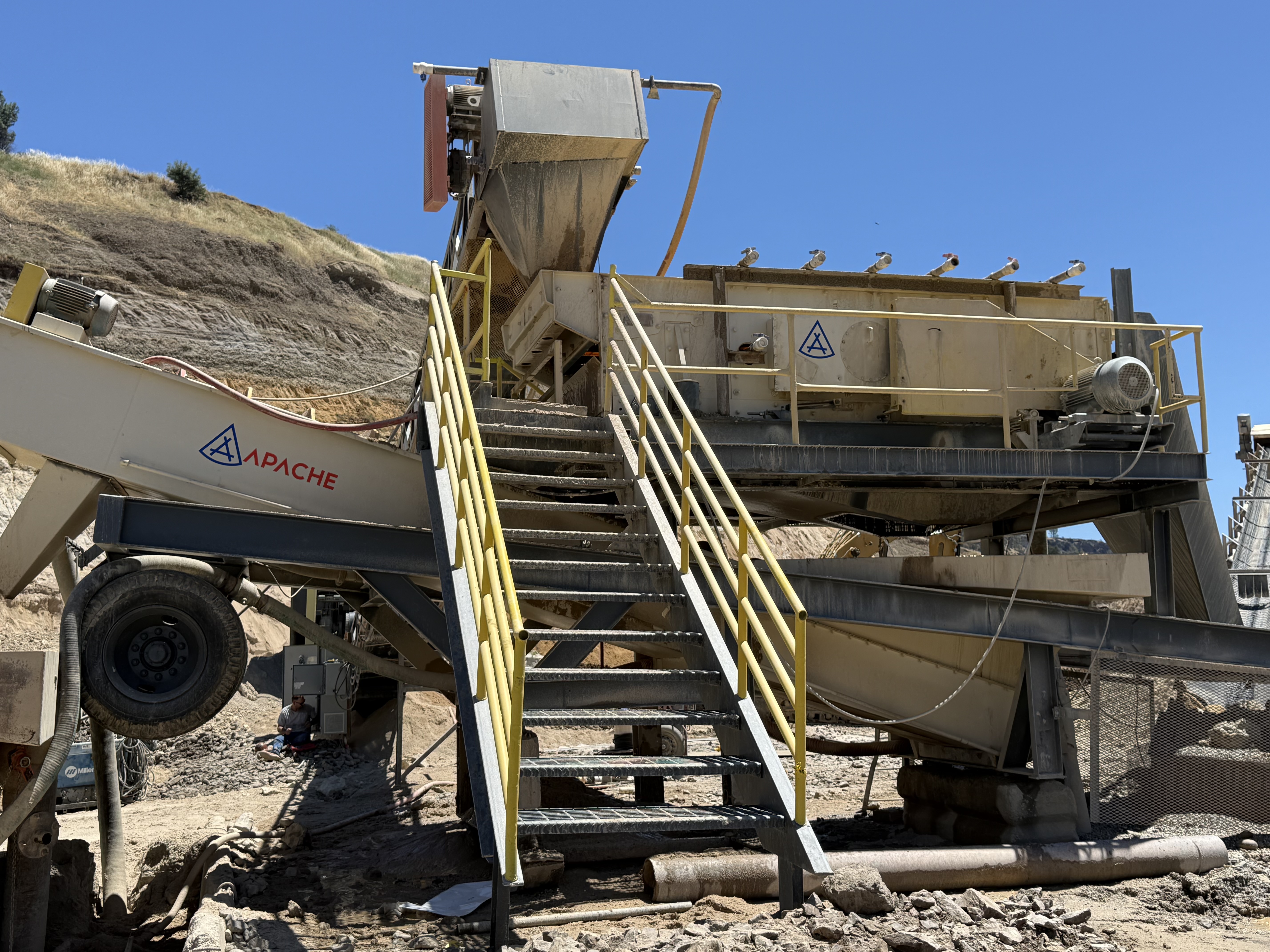
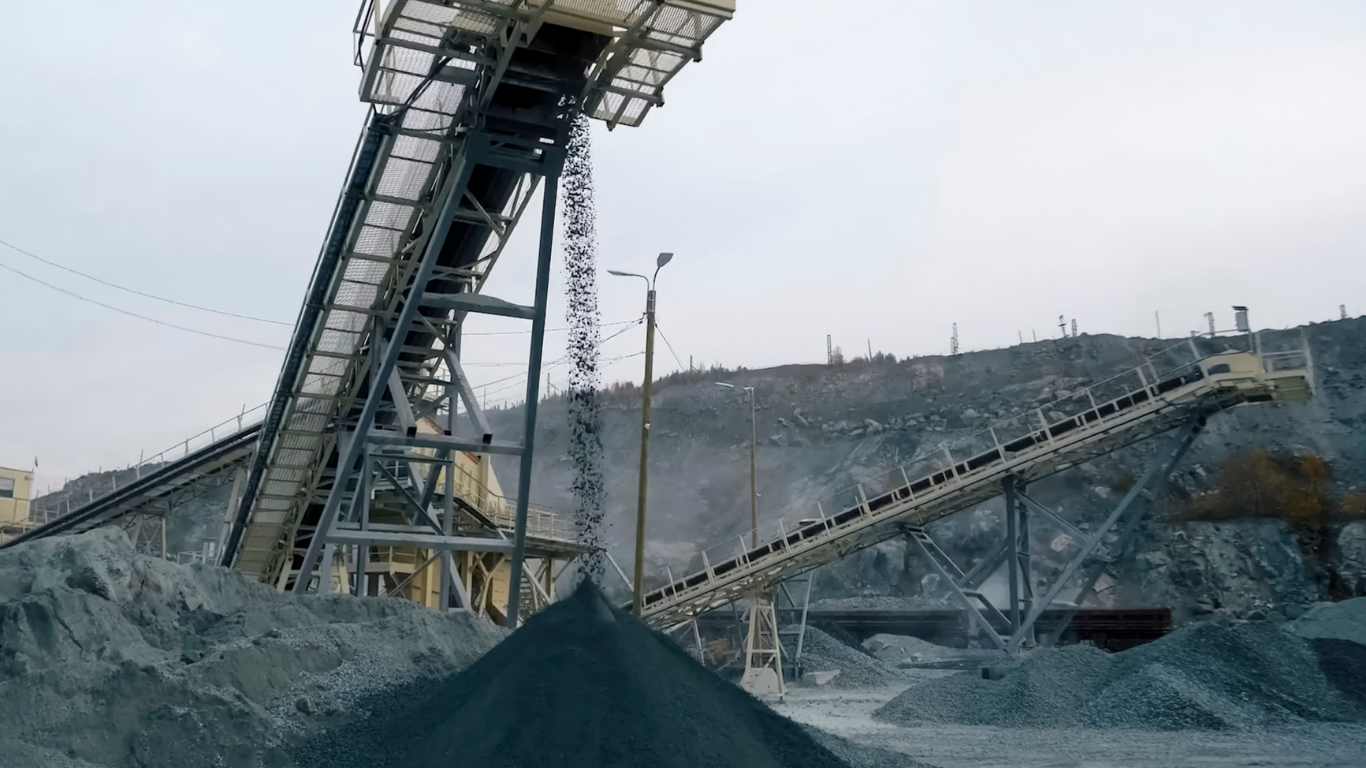
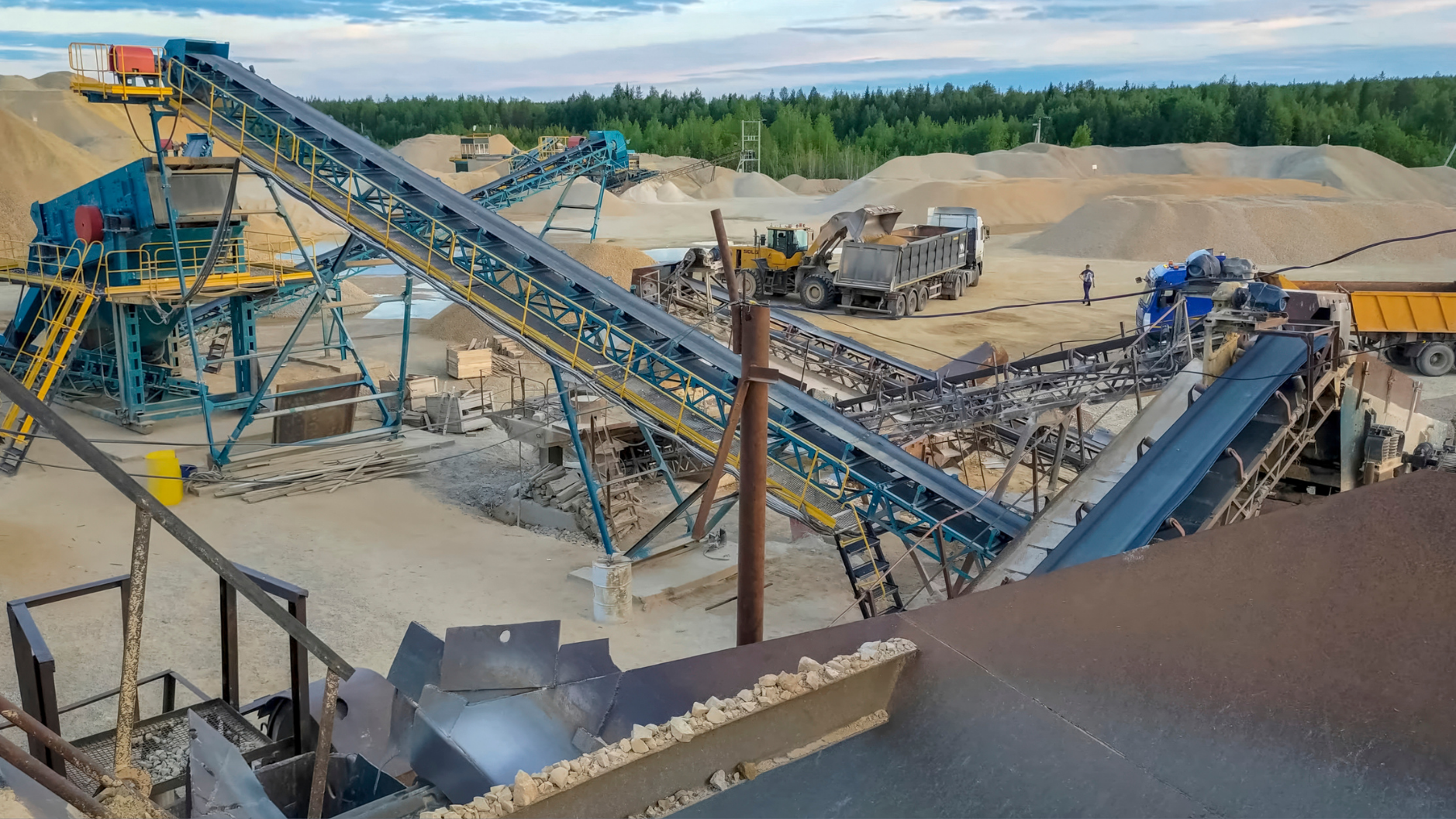
Washing and classifying equipment is the machinery that separates clean, spec-grade material from raw feed contaminated with clay, silt, and organic debris. Getting this equipment right determines whether your operation ships product that meets spec on the first run or product that gets rejected, reworked, and returned.
If you have ever watched a load get flagged at the scale house because of excess fines, you know the feeling. It is not just lost time. It is lost trust with a buyer who now wonders if the next load will be clean either. That kind of doubt spreads fast in a small industry, and it is expensive to undo.
Here is the good news: most washing and classifying problems trace back to a handful of decisions made before the equipment was ever purchased. Get those decisions right, and the rejected loads, the downstream wear, and the water waste tend to disappear along with them.
Start With Your Material, Not the Equipment Catalog
Before comparing machines, define what you are actually feeding into the system. Clay-heavy pit run needs different scrubbing action than clean glacial sand, and a high volume of fines calls for dewatering capacity a lighter operation does not need. Producers who choose equipment on brand reputation or price alone, without a real material analysis, are the ones retrofitting within the first year.
Ask three questions before you request a quote:
- What is the clay and silt content of your raw feed, by percentage?
- What tonnage per hour does your plant need to sustain?
- What is your target spec for the finished sand or aggregate?
Match the Equipment Type to the Job
Washing and classifying is not one machine. It is a category, and the right combination depends on your material and your goals.
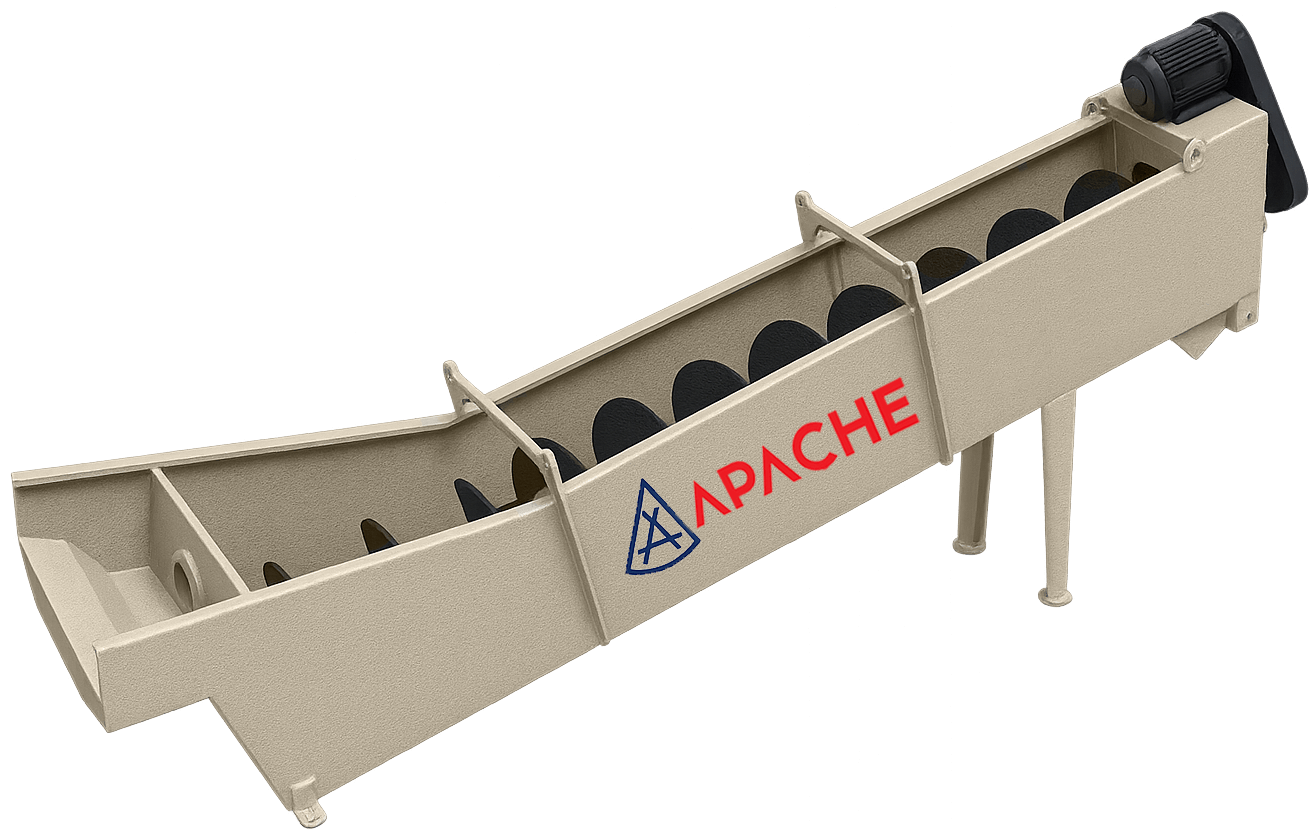
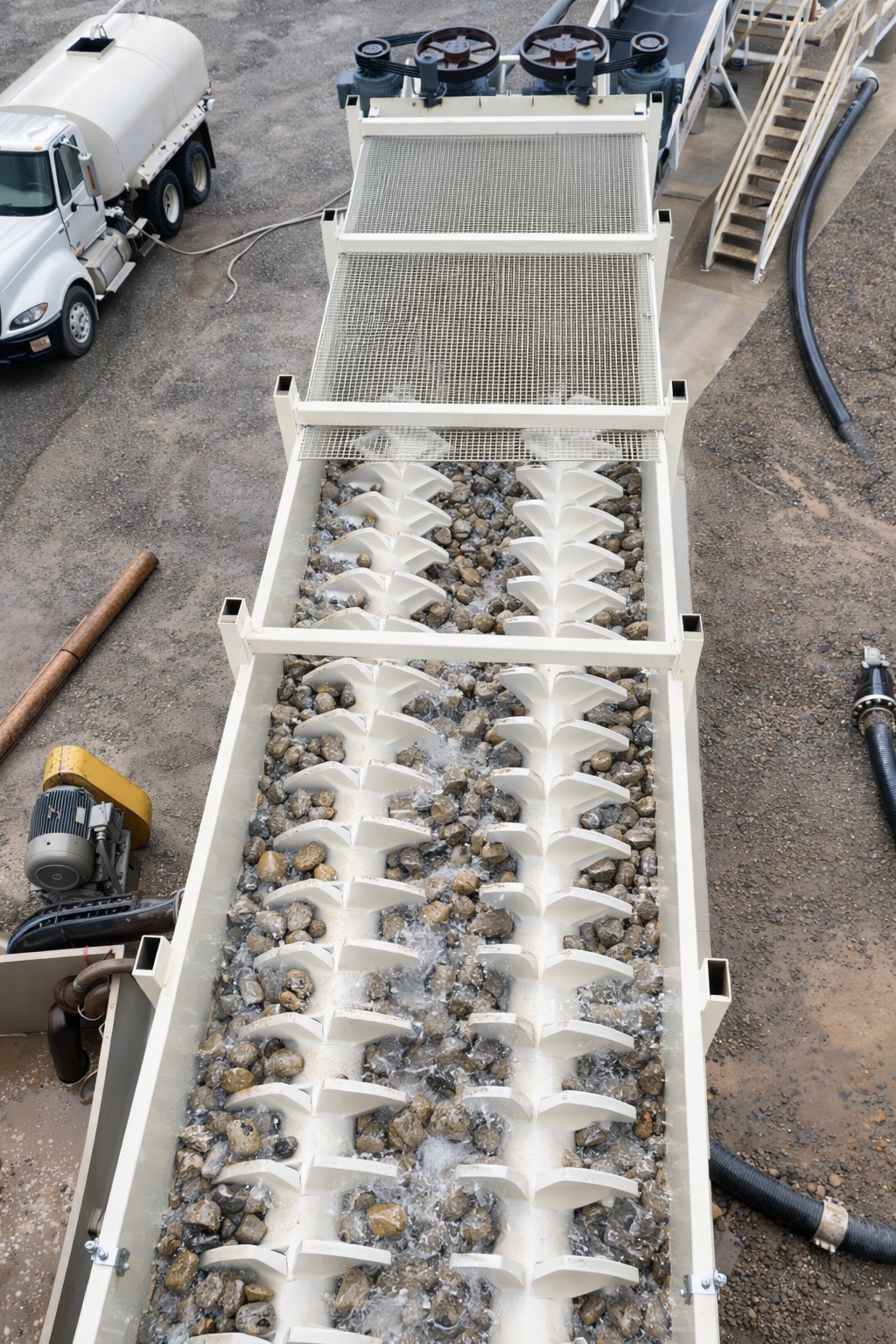
Log washers handle heavily contaminated material with material-on-material scrubbing action, holding up well on feed up to six inches. Sand screws dewater and classify fine material, often running two independently driven screws for higher throughput. Coarse material washers strip clay and silt from larger aggregate before it moves further downline. Dewatering screens pull excess moisture out of washed product so it is stockpile-ready without added drying time.
Heavy, clay-bound feed up to six inches. Uses material-on-material scrubbing action.
Finer material needing dewatering and precise classification. Often twin-screw for higher throughput.
Most producers need more than one of these working together, not a single standalone unit. Once material is washed and classified, it typically moves into material handling systems, so it is worth planning that connection early rather than bolting it on later.
Do Not Overlook Water Recovery
Washing and classifying equipment uses water, and how you manage it affects operating cost and permit compliance alike. Systems built with water recovery and recycling reduce fresh water draw significantly and keep discharge within regulatory limits. If your site has limited water access or sits near a sensitive watershed, factor that into equipment selection as much as tonnage.
Plan for Uptime, Not Just Output
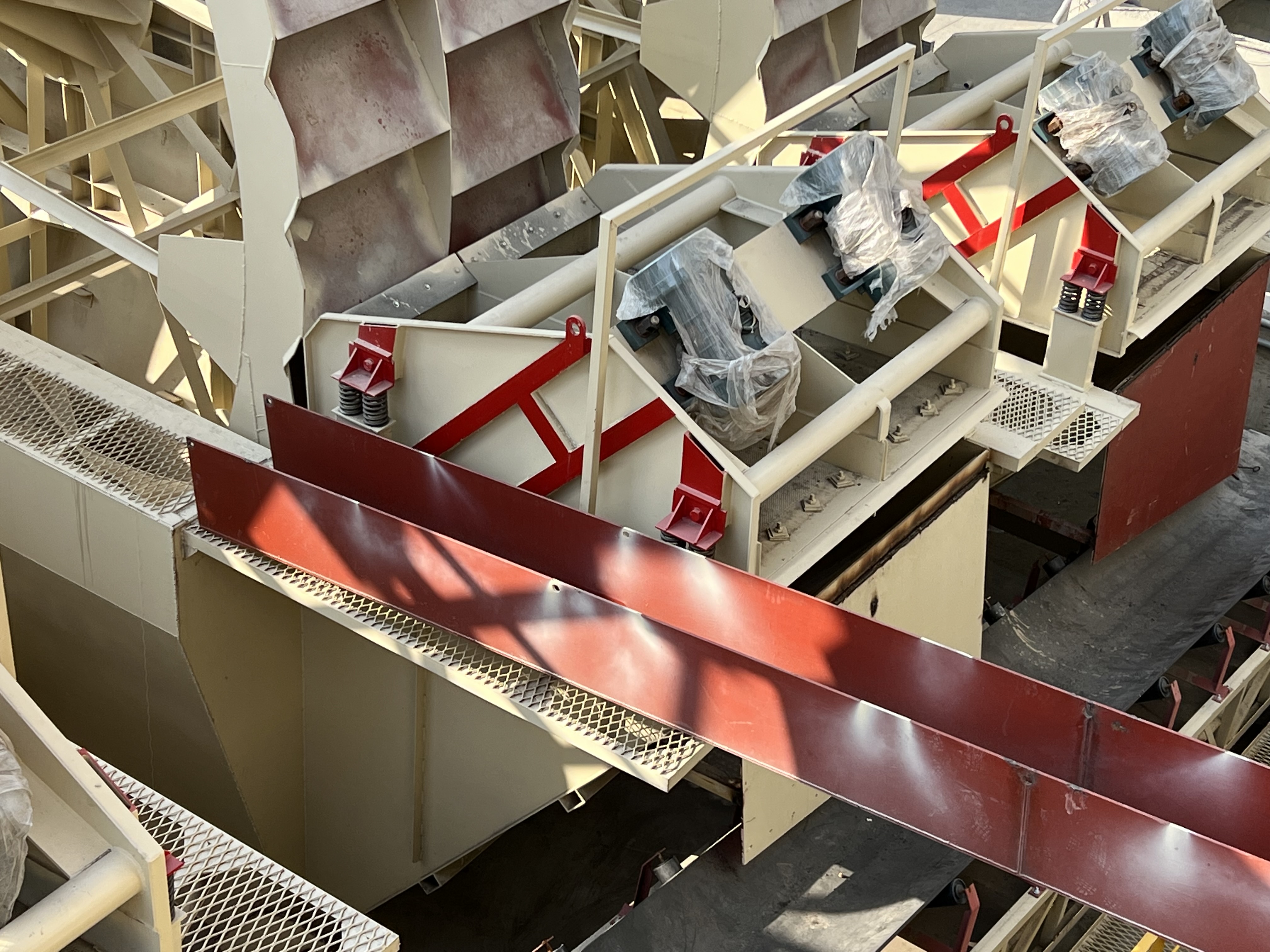
A wash plant that hits its rated tonnage on paper but requires constant unplanned maintenance is not actually productive. Look for equipment built with accessible wear parts, simple lubrication points, and a manufacturer who stocks replacement parts instead of making you wait weeks for a custom order. Downtime on a washing circuit backs up your entire crushing and screening line.
Work With a Manufacturer Who Understands Your Site
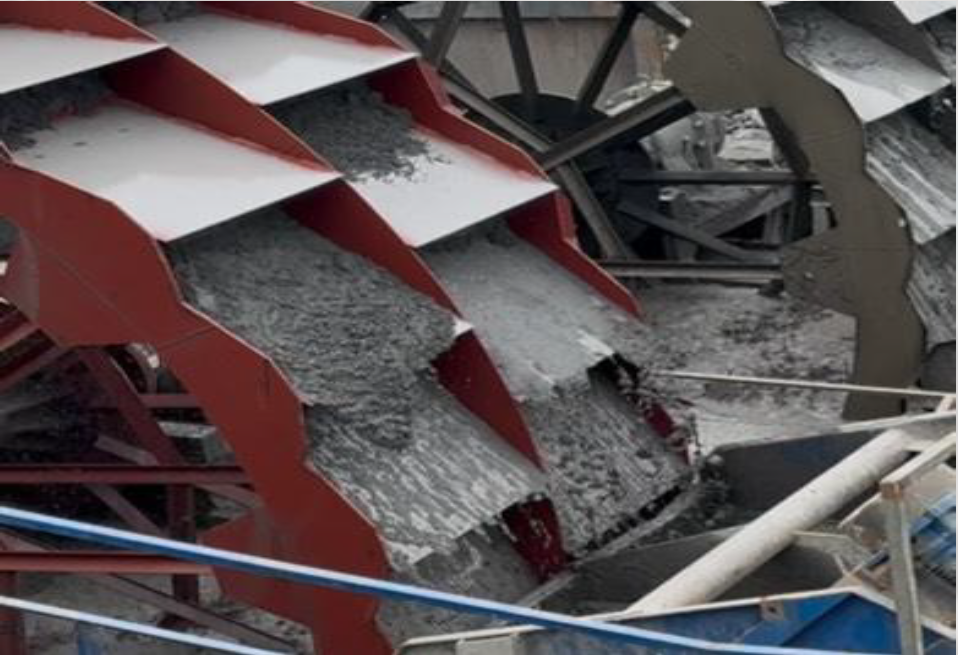
Every pit, quarry, and mine has its own material characteristics, water conditions, and production targets. A manufacturer who asks about your specific site, rather than pointing you to a standard catalog listing, is more likely to spec equipment that actually fits, saving you from costly change orders after installation.
The right washing and classifying setup is not the one with the biggest spec sheet. It is the one matched to your material, your tonnage, and your site conditions.
Apache Iron Works has spent 30 years engineering aggregate and mining equipment built for real field conditions, not just spec sheets. Our washing and classifying systems are part of our broader engineered solutions for production and uptime, designed around your material, your tonnage, and your equipment as a whole, with parts support that keeps your plant running once it is installed.
Frequently Asked Questions
What does washing and classifying equipment actually do?
It removes clay, silt, and organic contaminants from raw sand, gravel, or crushed stone, then separates material by size so the finished product meets spec.
How do I know if I need a log washer or a sand screw?
Log washers handle heavier, coarser material with tough clay content. Sand screws are built for finer material that needs dewatering and precise classification. Many plants run both in sequence.
Does washing equipment help with dust suppression too?
Yes. Wet washing systems are sometimes classified as dust suppression equipment because the same water application that cleans material also knocks down airborne dust in the process.
How much water does a wash plant use?
It depends on plant size and material, but systems with water recovery and recycling can cut fresh water draw substantially compared to a plant without reclamation.
Can Apache Iron Works build a custom washing and classifying system?
Yes. We work directly with customers to spec equipment around their specific material, tonnage, and site conditions rather than offering a one-size-fits-all package.
Ready to Get the Right System for Your Site?
If rejected loads, excess fines, or water waste are cutting into your bottom line, the fix usually starts with the right washing and classifying setup for your specific material. Request a quote through Apache Iron Works or call 307-772-4563 to talk through your site conditions with our team.
Featured image: "300tph washing plant, County Tipperary, Ireland" by CDEGlobal, licensed under CC BY 2.0.
About the Author
Nathan Myers
Co-Founder & Managing Director
Nathan Myers is Co-Founder and Managing Director of Apache Iron Works, headquartered in Cheyenne, Wyoming. With 30 years in the mining and aggregate equipment industry, he has helped design and deliver more than 180 mining projects across 7 states and 7 countries.